
Grand Isle
Grand Isle is a Gulf fishing and beach short-term rental market suited to physician investors seeking seasonal coastal income. Properties average about $245 per night at 58% occupancy — roughly $142 RevPAR and around $4,263 in monthly revenue — against a purchase price near $195,000. As a seasonal peak destination, it draws anglers and beachgoers who concentrate demand into the warm-weather months, driving strong seasonal cash flow. Because short-term-rental rules here are moderate, verify local short-term-rental regulations before closing, and underwrite coastal insurance carefully. It's a coastal Grand Isle rental property play within physician real estate investing.
Market Analysis
Why physicians are looking at Grand Isle
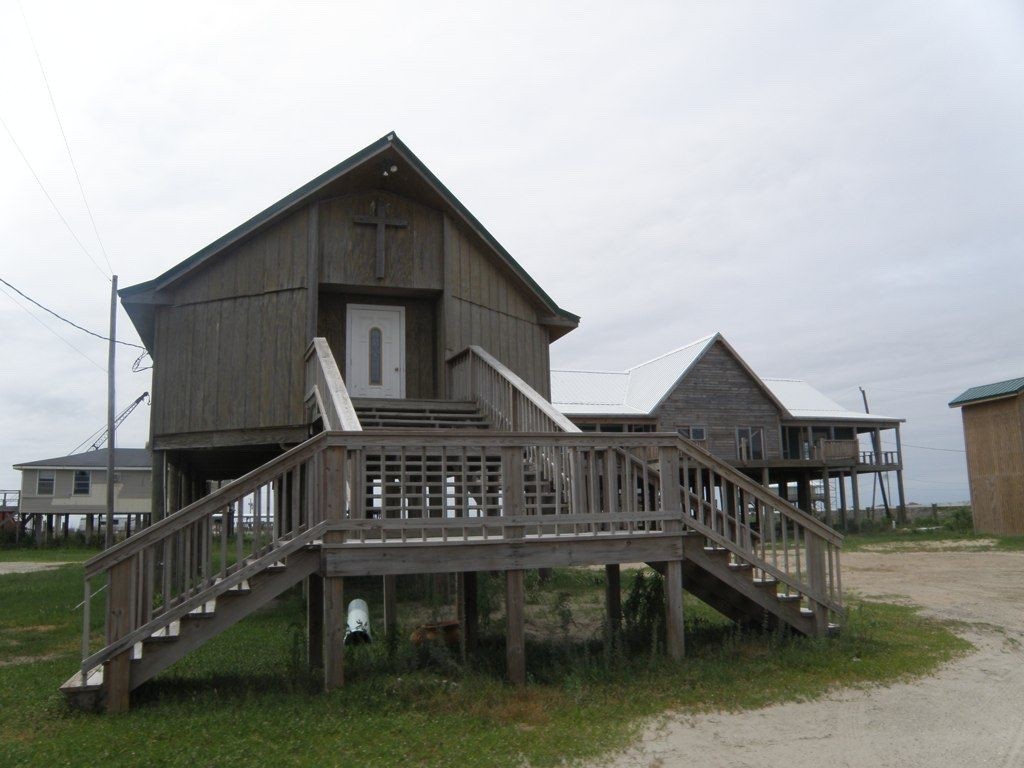
Grand Isle sells something scarce: Gulf-front access for anglers and beachgoers. As a seasonal peak destination, its demand is concentrated, intense, and repeatable — fishing charters, family beach weeks, and tournament weekends fill the calendar hard through the warm months. That concentration is the market's engine and its constraint. The revenue arrives in a compressed season, which rewards owners who price the peaks aggressively and hold reserves through the troughs. For physicians comfortable with a hospitality P&L rather than a rent check, the island's ~$4,263/mo revenue profile is among the strongest in Louisiana.
The numbers, interpreted
An ADR near $245 at 58% occupancy yields roughly $142 RevPAR — serious hospitality numbers against a purchase price near $195,000. That revenue-to-basis ratio comfortably outruns the island's 18.1× GRM long-term-rental math, which is why this is an STR play, period. Remember the revenue is gross: cleaning, management, platform fees, and elevated coastal insurance all come out first. For calibration, Natchitoches produces ~$2,888/mo on a similar basis with steadier heritage demand, and Abita Springs offers ~$3,060/mo in a lower-volatility Northshore niche.
Costs and rules to underwrite
Property taxes are minor — roughly $1,070/yr at 0.55% on $195,000. Two items are not minor. First, short-term-rental rules are moderate: verify local ordinances and permitting before you close. Second, this is exposed Gulf coast: underwrite insurance carefully and early, with property-specific wind and flood quotes, because the premium can reshape the entire return. A conservative approach is to underwrite the full annual premium against the seasonal revenue curve, so a hard renewal year doesn't quietly turn a profitable summer into a break-even one.
Building your local team in Grand Isle
A seasonal beach rental generates the operational equivalent of call nights — the 10 p.m. lockout, the a/c failure in July, the boat-trailer parking dispute. Handle it the way you handle call: outsource the 2 a.m. pages to professional short-term-rental management that lives with the market. That team decision, more than any pricing decision, will make or break your investment here. Round it out with a realtor who knows the island's flood zones and rental histories, furnishing capital sized for a coastal environment, and an insurance broker who shops Gulf-front risk. And because guests shop listings side by side, invest in what photographs: fish-cleaning stations, gear storage, memorable coastal character — standout amenities tip the booking decision. Dr Home Investor connects you to vetted local team members, including a Realtor match with boots on the ground, sparing you the blind Google search.
Bottom line
Grand Isle is Louisiana's high-revenue seasonal coastal play: ~$245/night, $4,263/mo gross at peak-driven occupancy, from a $195,000 entry. The returns are real for owners who verify STR rules, quote insurance first, and run it as a hospitality business with professional management. Explore other Louisiana markets for steadier inland STR alternatives. If you're financing on projected revenue rather than W-2 paperwork, see how DSCR loans for physicians handle short-term rentals.
Frequently Asked Questions
Is Grand Isle a good short-term rental market for physician investors?
For seasonal-revenue investors, yes. STRs average about $245/night at 58% occupancy — roughly $4,263/mo gross — against a purchase price near $195,000, driven by Gulf fishing and beach demand.
How much does a short-term rental cost in Grand Isle?
Around $195,000 plus coastal-grade furnishing. At ~$142 RevPAR, the revenue-to-price ratio is among Louisiana's strongest, but budget for elevated insurance.
How seasonal is Grand Isle rental income?
Very. Demand concentrates in warm-weather fishing and beach months, so annual revenue arrives compressed — price peak weeks aggressively and hold cash reserves for the off-season rather than expecting twelve even months.
Are short-term rentals legal in Grand Isle?
Rules are moderate; verify local permitting and any island-specific ordinances before closing. Make regulatory confirmation and a property-specific insurance quote your two pre-contract checks.
What is the biggest underwriting risk on Grand Isle?
Coastal insurance. Wind and flood premiums on exposed Gulf coast can materially reshape returns on the ~$4,263/mo gross, so get real quotes first — property taxes, by contrast, run only about $1,070/yr.
Investment Snapshot
Median Home Value
$195,000.00
Single family
Monthly rent
$900.00
Market Average
Gross rent mult.
18.1x
Lower = Better
Est. cap rate
~3.8%
Gross estimate
Property tax rate
0.55%
State average
Rental Strategy Performance
Monthly rent
$900.00
Est Market Average
Gross rent mult.
18.1x
Lower = Better
Est. cap rate
~3.8%
Before financing
All 12
Louisiana
Markets
Shreveport
LTR
•
Rank
1
•
GRM
13.1
Lake Charles
LTR
•
Rank
2
•
GRM
15.4
Baton Rouge
LTR
•
Rank
3
•
GRM
15.5
New Orleans
LTR
•
Rank
4
•
GRM
15.6
All figures are estimates based on publicly available market data and are for general research purposes only. Cap rates, rent estimates, and STR performance are market averages and do not guarantee individual property performance. Consult a licensed real estate professional, CPA, or attorney before making investment decisions. Dr Home Investor does not guarantee the accuracy of third-party market data.